 Send Inquiry
 Send SMS
 Call Me Free
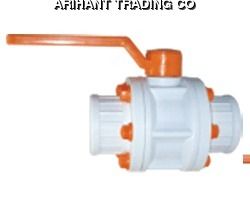
H.D.P.E & P.P.Valve
1000.00 - 7000.00 INR
Product Details:
- Control System Hand Operated
- Valve Size 12 inch to 12 inch
- Connection Type Flanged / Screwed / Socket Weld
- Material High Density Polyethylene (HDPE) / Polypropylene (PP)
- Valve Type HDPE & PP Valve
- Features Corrosion Resistant, Leak Proof, Lightweight, Easy Installation
- Sealing EPDM/PTFE/Gasket (As per customer request)
- Click to View more
X
H.D.P.E & P.P.Valve Price And Quantity
- 1000.00 - 7000.00 INR
- 50 , , Piece
H.D.P.E & P.P.Valve Product Specifications
- HDPE/PP Disc
- Manual
- High Density Polyethylene (HDPE) / Polypropylene (PP)
- HDPE & PP Valve
- Shutoff
- Not Applicable (Manual Operation)
- -10C to 80C
- 12 inch to 12 inch
- Hand Operated
- EPDM/PTFE/Gasket (As per customer request)
- Flanged / Screwed / Socket Weld
- Single/Double (As per requirement)
- 15 mm to 315 mm
- Water
- Corrosion Resistant, Leak Proof, Lightweight, Easy Installation
- Valve
- Valves
- Medium Pressure
- Industrial and Chemical Processing
- 0.91 to 0.96 g/cm3
- PP Coated Steel / HDPE
- Low, No Rusting or Pitting
- Excellent Chemical and UV Resistance
- According to standard size and application
- Injection Molding / Fabricated
- Suitable for Aggressive Liquids and Gases
- Plain, Threaded, Flanged
- White/Black/Natural (As Available)
H.D.P.E & P.P.Valve Trade Information
- 1000 , , Piece Per Week
- 10-15 Days
- Australia, Central America, North America, South America, Eastern Europe, Western Europe, Middle East, Africa, Asia
- All India
Product Description
The HDPE PP Valve offered by us is widely known for easy installation feature, high-end functional value and cost-effective rates. The valves are used at the end of a suction line in order to stop the flow of the liquid. Furthermore, the valve is provided with self-cleaning system as the integral part of the operation. Our high-end valve ensures smooth and optimum flow of water in minimum of time, which not only makes it highly effective but also demanding in construction and chemical industries. In addition to this, we make sure to quality test the valves at each stage of production and deliver them to end-customers within the stipulated time period.
The key features of our product are as follows:
- Optimum flow in minimum amount of time
- Wide use in chemical, agriculture and construction industry
- Easy to install
- Long shelf life
Details
| Size |
|
| In N.B. | In Inch |
| 15 mm | 1/2" |
| 20 mm | 3/4" |
| 25 mm | 1" |
| 32 mm | 1.1/4" |
| 40 mm | 1.1/2" |
| 50 mm | 2" |
| 65 mm | 2.1/2" |
| 80 mm | 3" |
| 100 mm | 4" |
| 150 mm | 6" |
| 200 mm |
|
Superior Material & Construction
Our valves are manufactured from high-density polyethylene (HDPE) and polypropylene (PP), delivering exceptional resistance to chemicals and UV exposure. The injection molding and fabrication process ensures consistency, durability, and reliability, making the valves ideal for challenging industrial applications.
Versatile Connections & Configurations
Choose from plain, threaded, or flanged end connections to match your installation requirements. Handles are made from PP coated steel or HDPE for optimal strength. These valves accommodate a variety of connection types including flanged, screwed, and socket weld, and are available in sizes ranging from 15 mm to 315 mm.
Efficient Performance & Low Maintenance
With a design focused on reducing rusting, pitting, and leakage, these valves provide long-lasting, trouble-free service even in aggressive environments. Their manual operation offers precision control without the need for electrical power, supporting operational safety and cost-effectiveness.
FAQ's of H.D.P.E & P.P.Valve:
Q: How do HDPE & PP valves resist chemical and UV damage in industrial settings?
A: HDPE and PP valves exhibit excellent resistance to a wide spectrum of aggressive chemicals and UV rays thanks to their inherent material properties. This makes them ideal for handling corrosive substances commonly found in industrial and chemical processing environments.Q: What connection types are available for these valves, and how do I choose the right one?
A: Our valves are offered with plain, threaded, and flanged end connections. The appropriate type depends on your piping setup, installation needs, and pressure requirements. Flanged connections are ideal for robust industrial applications, while threaded or plain ends suit lighter-duty or temporary installations.Q: When is it advisable to use a valve made from HDPE or PP over metal alternatives?
A: HDPE and PP valves are preferable in situations where corrosion resistance, lightweight installation, and chemical compatibility are critical. They outperform metal valves in environments subject to aggressive liquids, UV exposure, or where rust and pitting must be avoided.Q: Where can these valves be installed for optimal performance?
A: These valves are specifically designed for industrial sites such as chemical plants, water treatment facilities, and process lines dealing with corrosive liquids or gases. Proper selection according to application, pressure, and media will ensure optimal performance and longevity.Q: What is the typical process involved in the fabrication of HDPE & PP valves?
A: Valves are manufactured mainly through injection molding for consistent, high-precision parts, or by fabrication for custom requirements. Both methods ensure robust construction, smooth operation, and tight shutoff, meeting stringent industrial standards.Q: How do these valves benefit industrial operations compared to conventional alternatives?
A: HDPE & PP valves provide significant benefits including leak-proof operation, corrosion resistance, lightweight build, and ease of installation. Their low maintenance and longevity reduce downtime and replacement costs, enhancing overall operational efficiency.Tell us about your requirement

Price:
Quantity
Select Unit
- 50
- 100
- 200
- 250
- 500
- 1000+
Additional detail
Mobile number
Email

Other Products in 'Industrial Valves' category



Contact Details

- 67/69, Mohamedali Road, Dada Manzil Building 2nd Floor, Masjid Bunder (West),Mumbai - 400003, Maharashtra, India
- Phone :08045476068
GST : 27AABPV0855D1ZS

- Mr Bhavin Bhupatbhai Vora (Proprietor)
- Mobile :08045476068
- Mr. Milin Vora
- Mobile :08045476068
- Send Inquiry
 Send Inquiry
|


 |
ARIHANT TRADING CO.
All Rights Reserved.(Terms of Use) Developed and Managed by Infocom Network Private Limited. |
