 Send Inquiry
 Send SMS
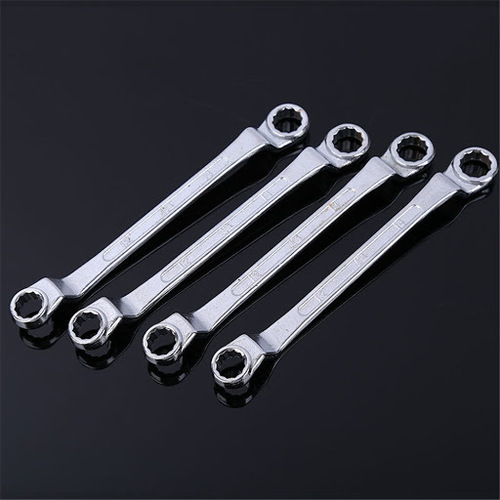
Non Sparking Double ended Ring type Spanners
1000.00 - 3000.00 INR/Piece
Product Details:
- Features Non-Sparking, Non-Magnetic, Corrosion Resistant, Safety for Explosive Environments
- Surface Finish Polished, Non-Sparking, Anti-Corrosive
- Tensile Strength Minimum 700 N/mm2 (Depending on Material)
- Function Tightening or Loosening Fasteners in Hazardous/Explosive Areas
- Grip Type Smooth Non-Slip Surface
- Gauge Standard Tool Gauge
- Power Source Manual
- Click to View more
X
Non Sparking Double ended Ring type Spanners Price And Quantity
- 10 Piece
- 1000.00 - 3000.00 INR/Piece
Non Sparking Double ended Ring type Spanners Product Specifications
- Polished, Non-Sparking, Anti-Corrosive
- Spanner
- Non-Sparking, Non-Magnetic, Corrosion Resistant, Safety for Explosive Environments
- Machinery Tool
- Minimum 700 N/mm2 (Depending on Material)
- Standard Tool Gauge
- Carbon Steel
- Smooth Non-Slip Surface
- Sizes Vary (Typically 6x7mm to 30x32mm, Length: 125-390mm)
- Flat, Elongated with Dual Ring Ends
- Tightening or Loosening Fasteners in Hazardous/Explosive Areas
- Manual
- Golden
- Same as Tool Body (Aluminium Bronze/Beryllium Copper)
- Individual or Set Box Packed
- Vickers HV 220-300 (Typical)
- Natural Copper/Golden Bronze Finish
- IS 4595, DIN 3113 (or Equivalent International Standards)
- Safe for Use in ATEX or Ex-Zone Classified Areas
- Petroleum, Chemical, Pharmaceutical, Mining, Military, Gas, Oil Industries
- Up to 200C
- From 6x7mm up to 30x32mm
- 6-Point or 12-Point Ring Design (Depending on Model)
- Excellent, Suitable for Harsh Environments
- Completely Non-Magnetic
Non Sparking Double ended Ring type Spanners Trade Information
- 1000 Piece Per Week
- 10-15 Days
- Western Europe, Australia, North America, Eastern Europe, Africa, Central America, Middle East, South America, Asia
- All India
Product Description
Al-Bronze & copper-beryllium Spark Resistant safety tools Spark resistant tools are used to eliminate the chances of accidental fires or explosions in potentially combustible or explosive environments. They resist the sparks that a standard tool could potentially create when striking hard surface.This Spanners are normally used in the Refinaries, Cement plant, Steel plant, Chemical Plants etc...
Available Sizes : 5.5 mm - 70 mm (MATRIC SIZES)
1/4" - 2 9/16" (SAE-INCH Sizes)
Features:
- Non Sparking Wrenches
- Double Open Ended Non Sparking Wrenches
- Open End Non Sparking Spanners
- Inch (SAE) Series
- Material of Composition : Aluminium Bronze &
- Spark less Non Sparking Tools are Most Suited For
- Application Purposes In Potentially Explosive Environments.
- Most of our Non Sparking Tools are Forged after Casting to achieve Better Quality, Performance & Attractive Finish.
- Non sparking tools.
- Spanners.
- Ring spanners.
- Industrial tools.
Engineered for Hazardous Environments
These non-sparking spanners are tailored for sectors such as oil, gas, chemical, mining, pharmaceutical, and military-where the highest safety standards are required. Their non-magnetic and corrosion-resistant build enables safe operation around explosive vapors, ensuring peace of mind during mission-critical tasks.
Robust Material & Design
Manufactured from either Aluminium Bronze or Beryllium Copper, and polished for a sleek finish, each spanner features a flat, elongated body with dual ring ends in either 6-point or 12-point configuration. This creates a precise fit for multiple fastener types and reduces the risk of surface wear or accidental sparking.
Comprehensive Size Range & Reliable Performance
Supplied from 6x7mm up to 30x32mm with lengths from 125 to 390mm, these spanners accommodate everything from intricate maintenance work to heavy-duty applications. The typical tensile strength of 700 N/mm2 and heat resistance up to 200C make them suitable for the most demanding field conditions.
FAQ's of Non Sparking Double ended Ring type Spanners:
Q: How do non-sparking double ended ring spanners enhance safety in explosive environments?
A: These spanners are manufactured from materials like Aluminium Bronze or Beryllium Copper, which do not produce sparks when struck against hard surfaces. This is crucial for eliminating ignition sources in environments with flammable gases or vapors, making them indispensable for petrochemical, gas, and mining industries.Q: What standards do these spanners adhere to and why is it important?
A: Non-sparking double ended ring spanners are made in compliance with IS 4595, DIN 3113, or equivalent international standards. These standards ensure consistent quality, reliability, and safety, which are essential in industrial settings where tool failure can result in hazardous incidents.Q: Where are these spanners most commonly used?
A: These spanners are widely used in petroleum refineries, chemical plants, pharmaceutical manufacturing, mining operations, military facilities, and other sectors where combustive materials are present and conventional steel tools could pose a risk.Q: What is the benefit of a 6-point or 12-point ring design on these spanners?
A: A 6-point or 12-point ring design offers better grip and torque on fastener heads, minimizing slippage and reducing wear. The dual-ended configuration allows for access to different sizes or fastener types, improving versatility during maintenance or assembly.Q: Can these spanners resist corrosion and high temperatures?
A: Yes, these spanners are highly corrosion-resistant due to their non-ferrous material composition, making them suitable for harsh and marine environments. They also maintain structural integrity at temperatures up to 200C, ensuring reliable performance even in heated industrial processes.Q: What is the typical process for using these spanners in the field?
A: Operators select the appropriate size spanner, ensuring a snug fit over the fastener. Thanks to their smooth, non-slip grip and precise ring design, users can efficiently tighten or loosen fasteners, even in confined or hazardous spaces, without the risk of sparking or tool deformation.Tell us about your requirement

Price:
Quantity
Select Unit
- 50
- 100
- 200
- 250
- 500
- 1000+
Additional detail
Mobile number
Email

Other Products in 'Hand Tools ' category


Contact Details

- 67/69, Mohamedali Road, Dada Manzil Building 2nd Floor, Masjid Bunder (West),Mumbai - 400003, Maharashtra, India
- Phone :08045476068
GST : 27AABPV0855D1ZS

- Mr Bhavin Bhupatbhai Vora (Proprietor)
- Mobile :08045476068
- Mr. Milin Vora
- Mobile :08045476068
- Send Inquiry
 Send Inquiry
|


 |
ARIHANT TRADING CO.
All Rights Reserved.(Terms of Use) Developed and Managed by Infocom Network Private Limited. |
