 Send Inquiry
 Send SMS
 Call Me Free
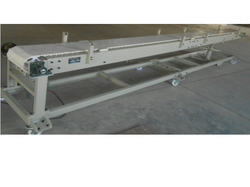
Heat Resistant PTFE Conveyor Belts
1000.00 - 1500.00 INR/Meter
Product Details:
- Surface Finish Smooth/Glossy or Mesh
- Belt Type Open mesh or solid belt options
- Thickness 0.13 mm to 1 mm (customizable)
- Power Source Mechanical via external motorized drive
- Features Non-stick surface, High temperature resistance up to 260C, Chemical resistance, Low friction, Dimensional stability
- Material PTFE
- Type PTFE Conveyor Belt
- Click to View more
X
Heat Resistant PTFE Conveyor Belts Price And Quantity
- 1000.00 - 1500.00 INR/Meter
- 5 Meter
Heat Resistant PTFE Conveyor Belts Product Specifications
- No
- Mechanical via external motorized drive
- Ideal for heat sealing, drying, non-stick applications, food processing, packaging, textile and screen printing
- No
- Non-stick surface, High temperature resistance up to 260C, Chemical resistance, Low friction, Dimensional stability
- No
- Variable, depends on drive mechanism
- Heat Resistant, Chemical Resistant
- 1.5 KW Volt (v)
- Smooth/Glossy or Mesh
- PTFE
- PTFE Conveyor Belt
- Yes
- 220/380 V Volt (v)
- Customizable as per application requirement
- 0.13 mm to 1 mm (customizable)
- Open mesh or solid belt options
- Belt Conveyor
- Up to 260C (500F)
- Available
- 2600N/5cm (typical), varies with thickness
- Available (FDA compliant)
- <5%
- 10 mm to 4000 mm
- Brown, Black, or custom colors as required
- Butt joint, overlap joint, finger joint, alligator joint
- Customizable as per equipment requirement
- PTFE coated fabric, Kevlar, or fiberglass edging available
Heat Resistant PTFE Conveyor Belts Trade Information
- Cash Against Delivery (CAD)
- 1000 Meter Per Day
- 1-5 Days
- Eastern Europe, Middle East, Western Europe, South America, Asia, Central America, North America, Australia, Africa
- All India
Product Description
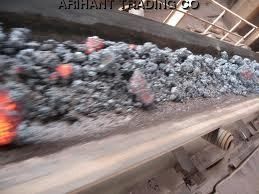
We are leading manufacturer and exporter of a wide range of Heat Resistant PTFE Belts which are heat resistant to be used in industries handling hot material. Fabricated from premium quality rubber, these heat resistant conveyor belts are well-suited for heat resistance applications.
Attributes:
Attributes:
- Heat resistant
- Cut resistant
- Good wear resistant properties
- Low stretch EP fabric
Unmatched Heat and Chemical Resistance
Our PTFE conveyor belts are specifically designed to perform at high temperatures, up to 260C, while resisting harsh chemicals. This makes them a versatile solution across industries such as food processing, screen printing, and packaging. Their low friction and non-stick surfaces allow for easy conveyance of sticky or delicate products, minimizing downtime and cleaning effort.
Customizable to Fit Every Application
With widths available from 10 mm to 4000 mm and customizable lengths, these belts can be tailored to your specific machinery. Options include open mesh for efficient airflow during drying or solid belts for heat sealing and packaging. Edge reinforcement options and various joint types ensure durability and optimal performance for each unique process.
FAQ's of Heat Resistant PTFE Conveyor Belts:
Q: How do I select the right joint type for a PTFE conveyor belt?
A: The choice of joint depends on your application's speed, load, and temperature requirements. Butt joints provide a smooth, seamless surface, while overlap and finger joints accommodate flexibility and strength. Alligator joints offer quick installation and removal, making them practical for certain maintenance needs.Q: What applications are best suited for heat resistant PTFE conveyor belts?
A: These belts excel in processes that require high temperatures and non-stick properties, such as heat sealing, food processing, drying ovens, packaging, and textile or screen printing industries. Their chemical resistance and dimensional stability also make them suitable for demanding industrial environments.Q: When should I opt for edge reinforcement and which material is ideal?
A: Edge reinforcement is recommended for applications with frequent loading or where belts encounter abrasive conditions. PTFE coated fabric is standard, offering good heat resistance. Kevlar provides exceptional strength and abrasion resistance, while fiberglass is ideal where additional thermal stability is required.Q: Where can these belts be installed and who can use them?
A: Our PTFE conveyor belts can be installed on any compatible belt conveyor system in factories and processing plants across industries, including food, textiles, electronics, and packaging. They are used by manufacturers, exporters, importers, suppliers, and traders, especially in India.Q: What are the benefits of choosing a food grade (FDA compliant) PTFE belt?
A: A food grade certified belt ensures safety and compliance for processing consumable goods. It offers a non-toxic, non-stick surface, resists high temperatures, and simplifies cleaning, making it ideal for food production and packaging operations.Q: How is the belt's load capacity and speed determined?
A: Load capacity is customizable and based on your application requirements. It depends on belt width, thickness, and reinforcement. Speed is governed by your conveyor system's drive mechanism and the surface finish-mesh belts allow higher airflow and are suited to faster, drying processes, while solid belts are preferable for sealing and non-stick needs.Tell us about your requirement

Price:
Quantity
Select Unit
- 50
- 100
- 200
- 250
- 500
- 1000+
Additional detail
Mobile number
Email

Other Products in 'Conveyor Belt ' category


Contact Details

- 67/69, Mohamedali Road, Dada Manzil Building 2nd Floor, Masjid Bunder (West),Mumbai - 400003, Maharashtra, India
- Phone :08045476068
GST : 27AABPV0855D1ZS

- Mr Bhavin Bhupatbhai Vora (Proprietor)
- Mobile :08045476068
- Mr. Milin Vora
- Mobile :08045476068
- Send Inquiry
 Send Inquiry
|


 |
ARIHANT TRADING CO.
All Rights Reserved.(Terms of Use) Developed and Managed by Infocom Network Private Limited. |
